


One of the most beautiful places in San Francisco is also one of the places I find the most challenging to photograph. This is the Japanese Tea Garden in Golden Gate Park.
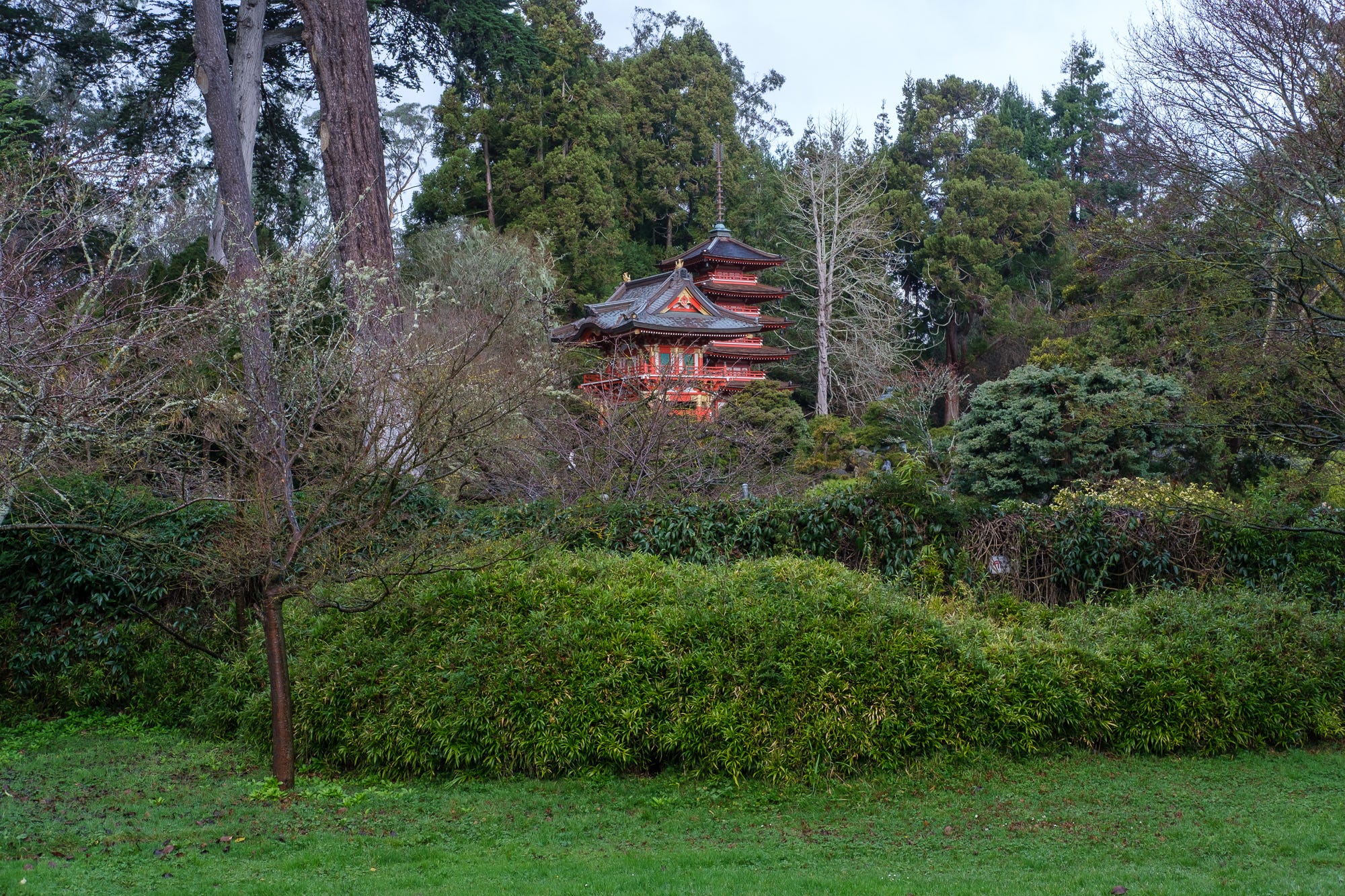
The garden is beautiful in the obvious ways: ponds, bridges, paths, trees, flowers, architecture, reflections, and carefully framed views. It also has a fascinating history (read here and here). But what makes it especially interesting to me as a photographer is that all that beauty does not necessarily make it easy to photograph.
In some ways, it makes it harder.
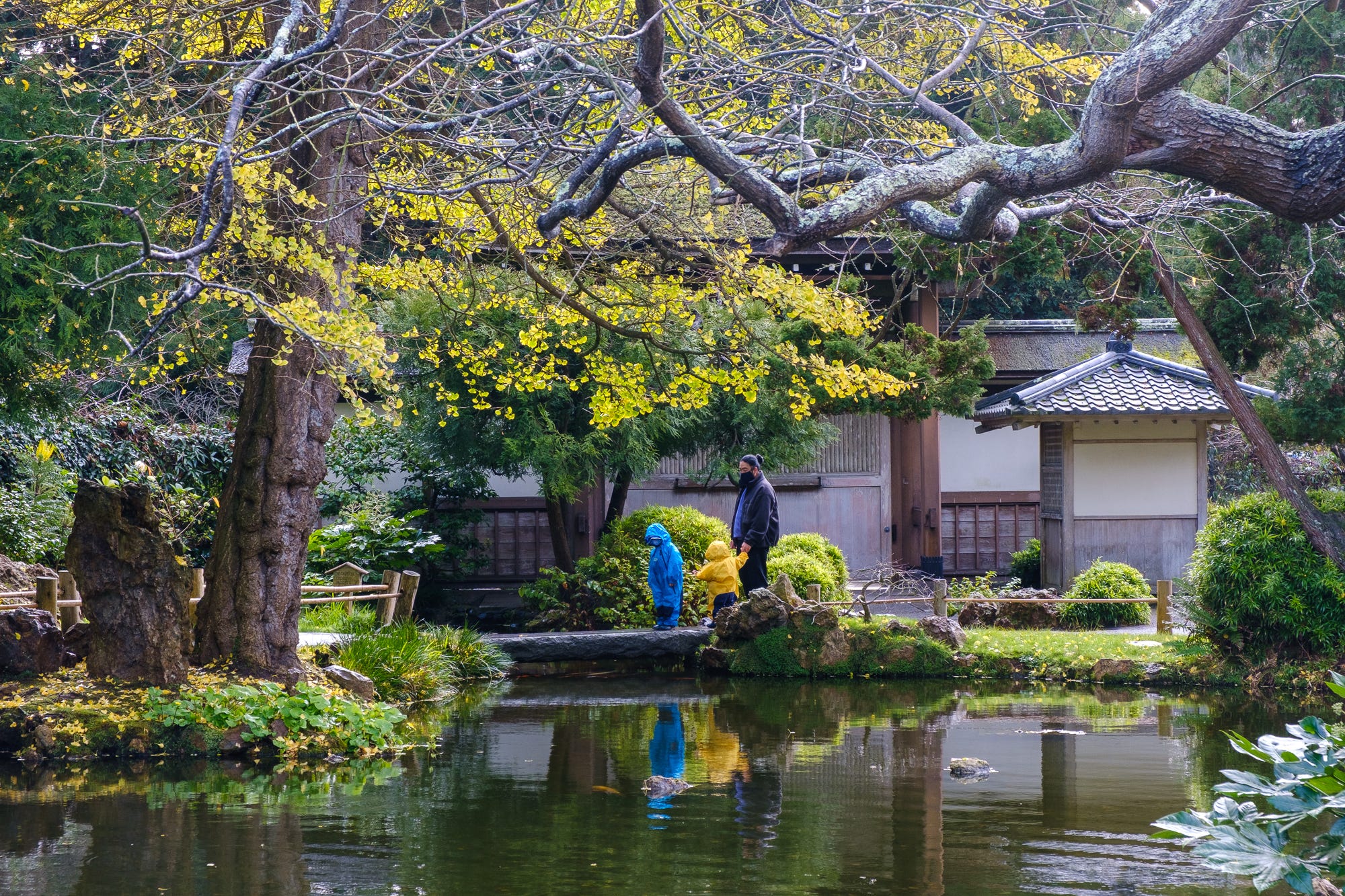
There is so much to see that it can be difficult to decide what your photograph is going to be about. The paths are narrow. People move through the frame constantly. San Francisco weather is always variable. You may find a view you love and then realize there are branches, signs, railings, or visitors exactly where you don’t want them.
That is part of what makes the garden such a good place to practice photography.
You have to slow down.
You have to simplify.
You have to decide what matters.
And sometimes you have to let go of the photograph you thought you were going to make and notice a different one instead.
The famous views are worth photographing. They became famous for a reason. But I’m usually more interested in what happens after I’ve made that first obvious photograph.
What else is there?
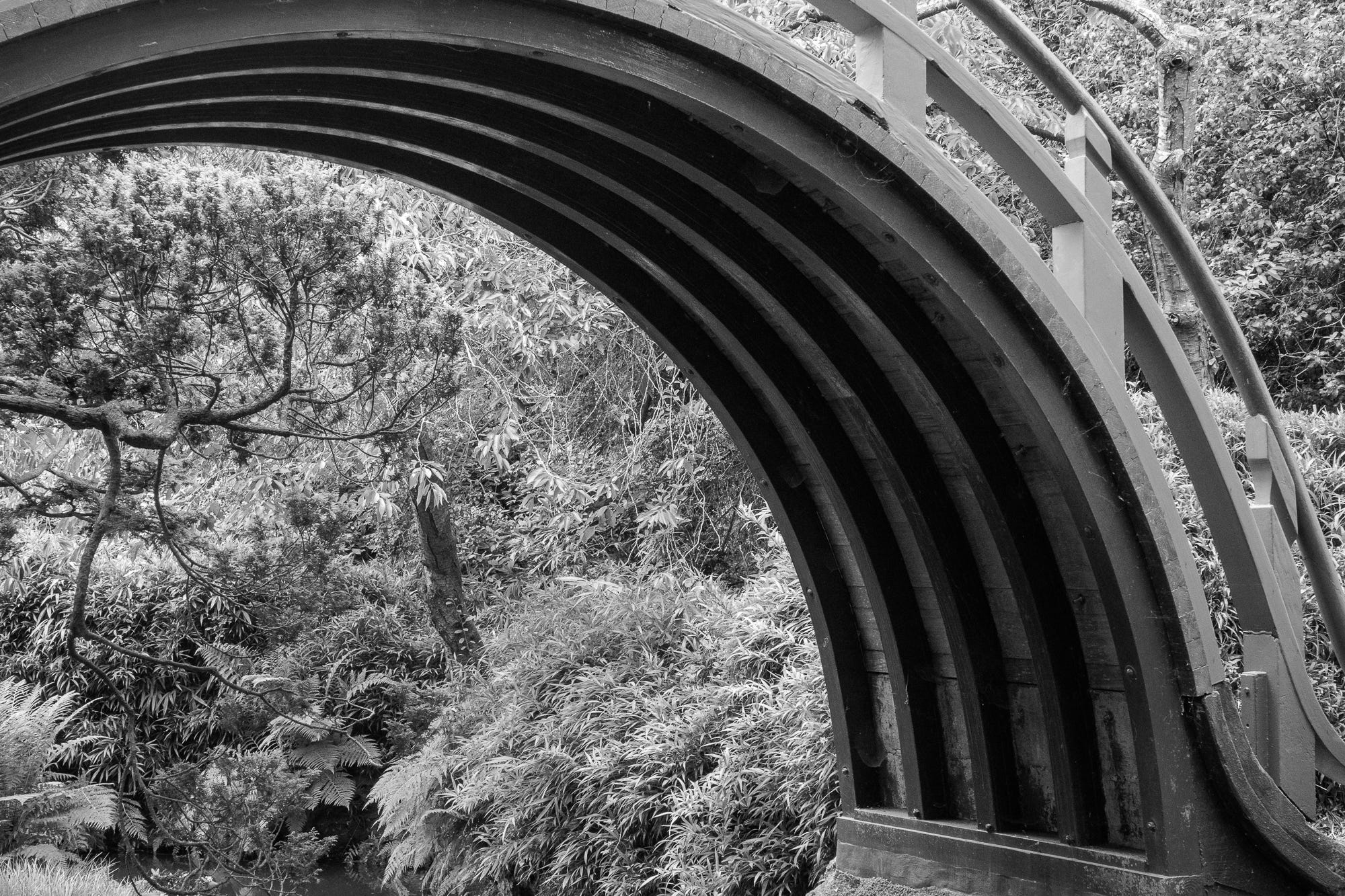
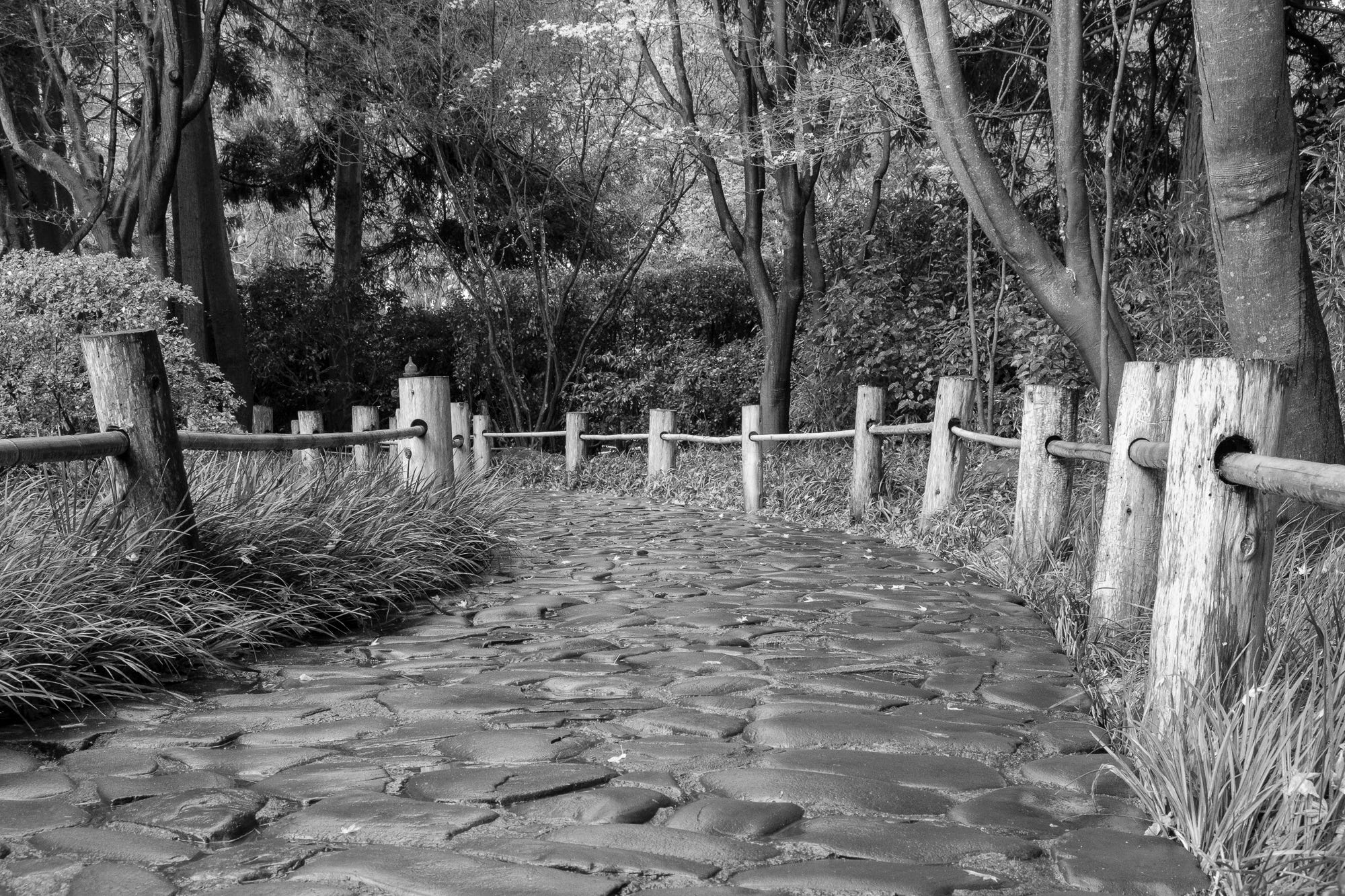
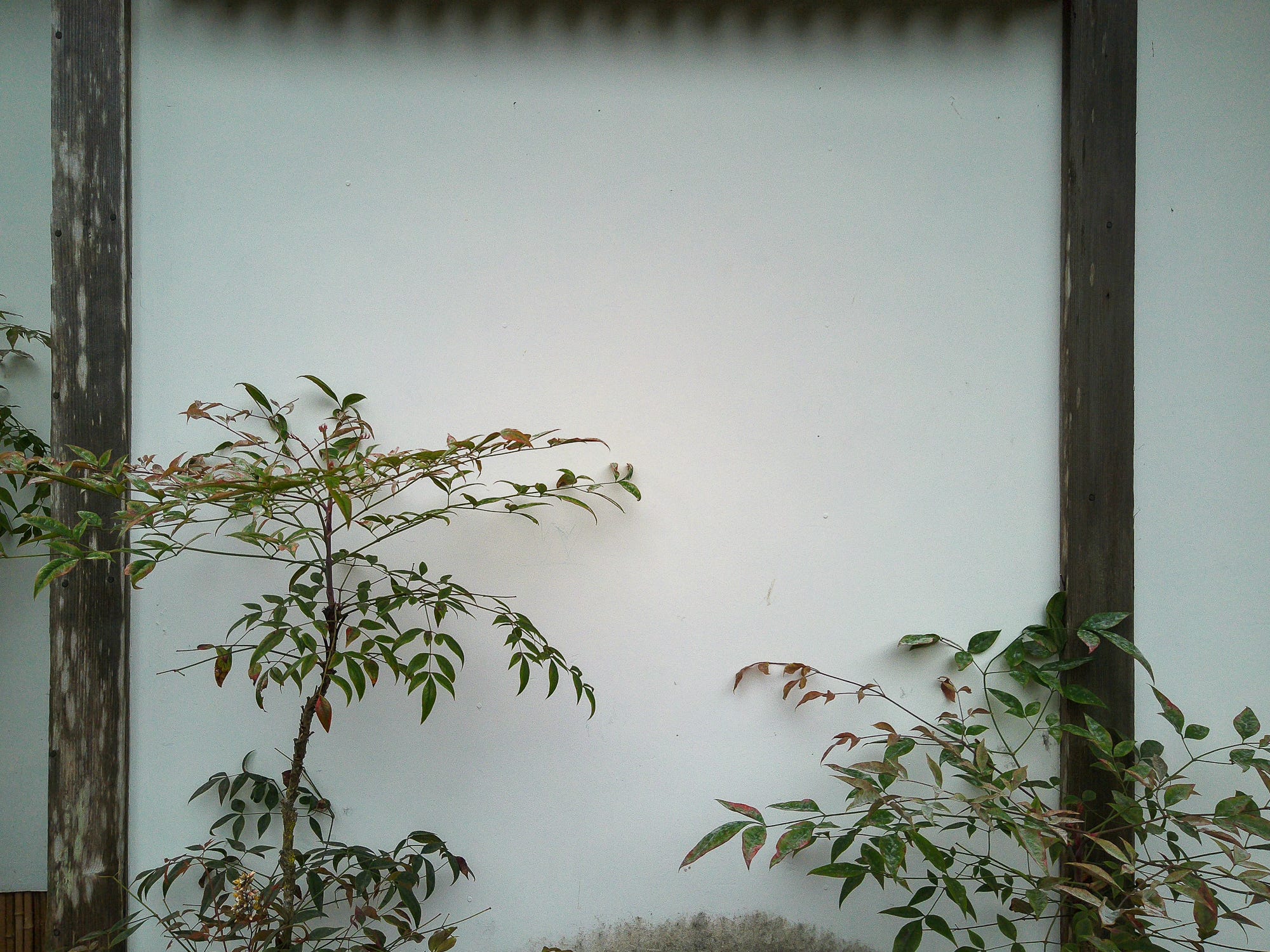
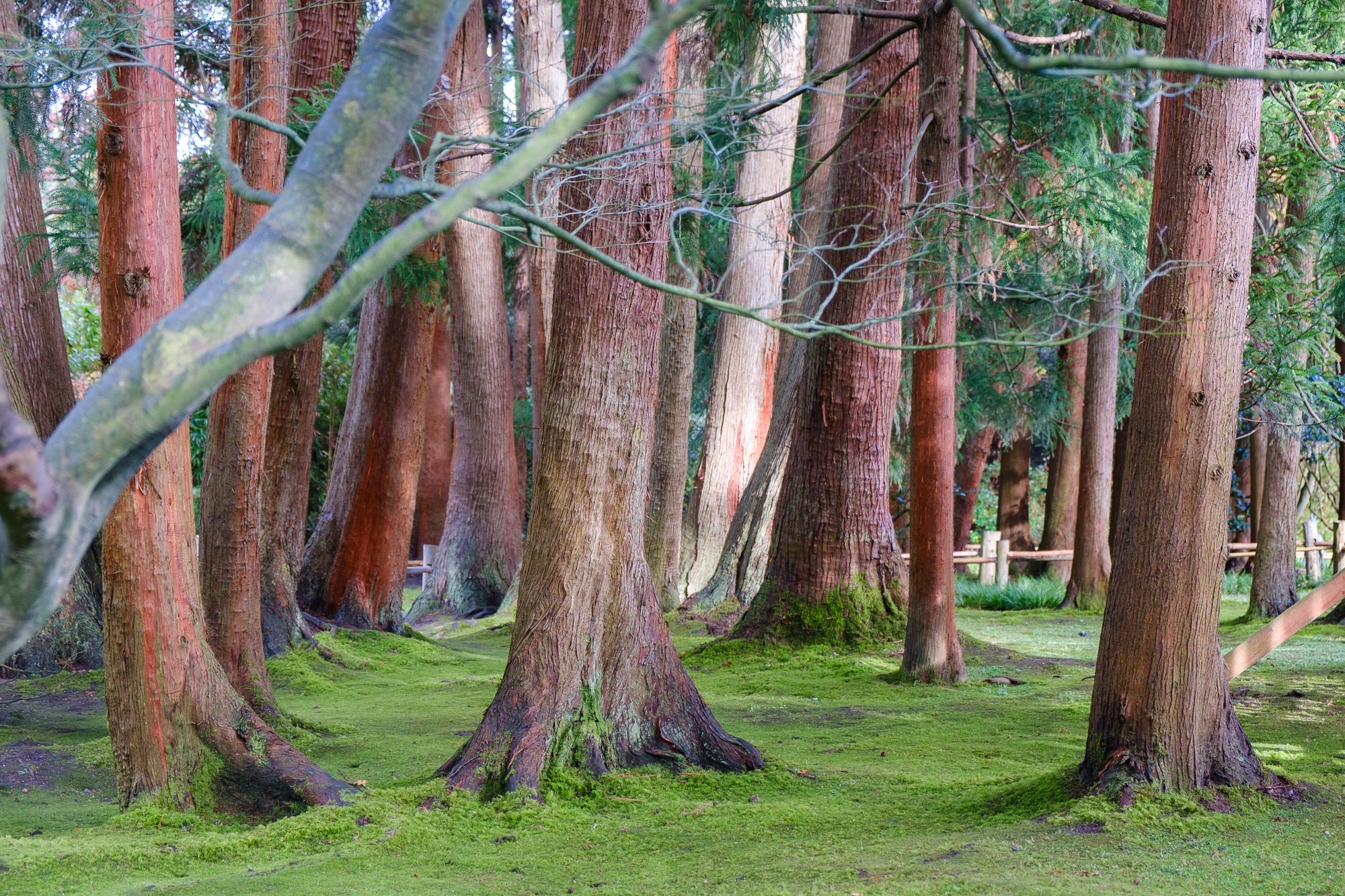
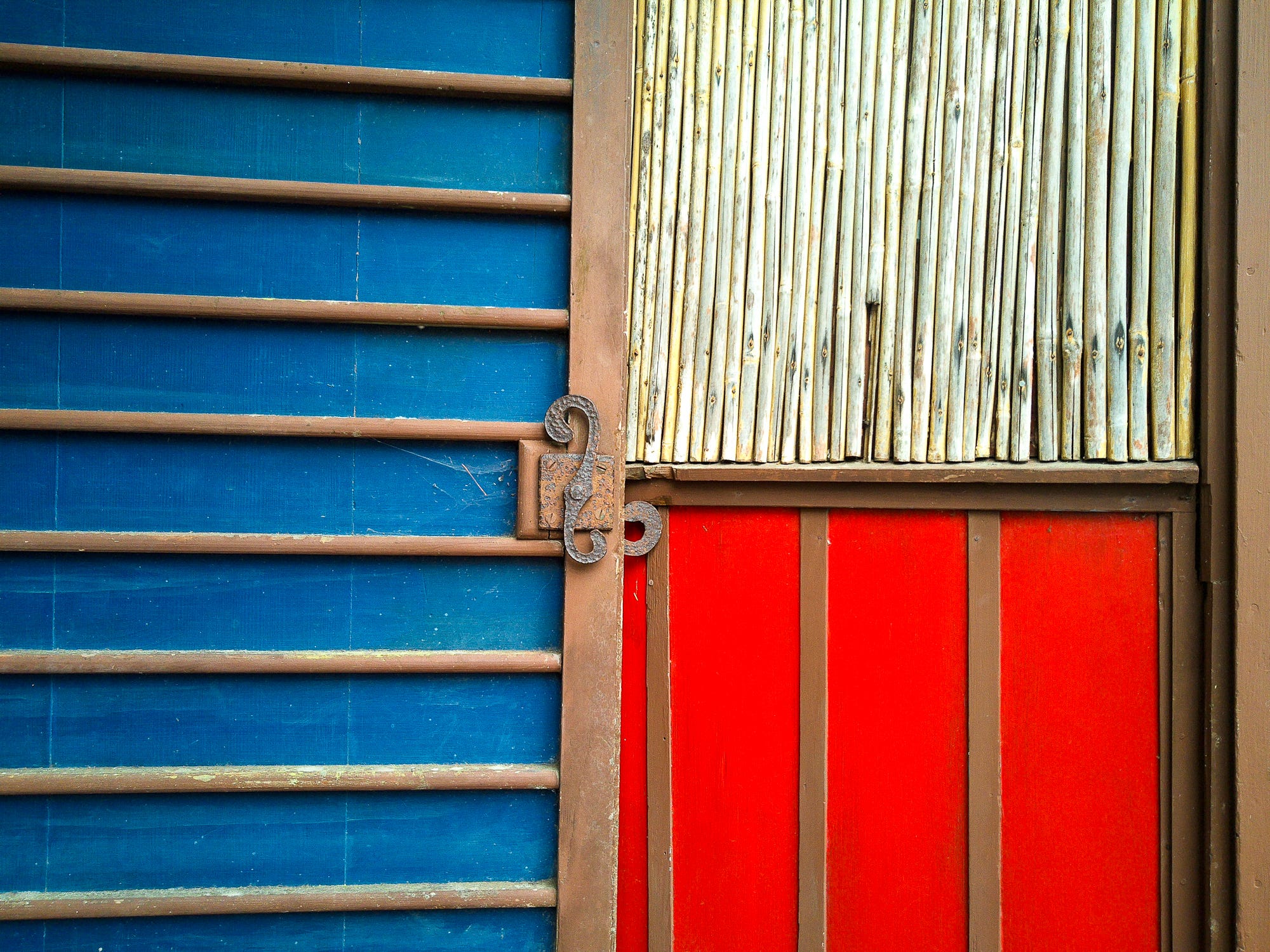
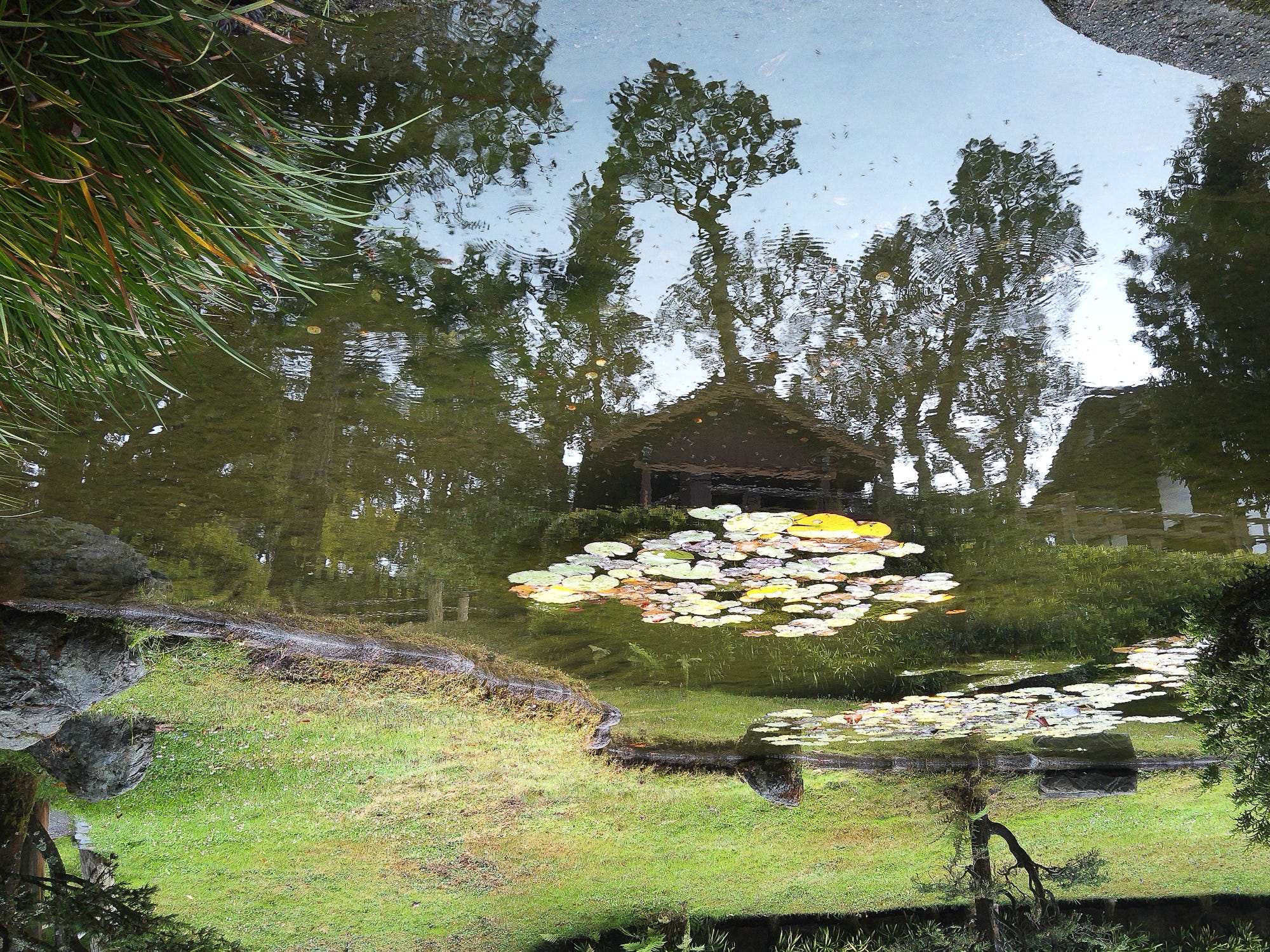
Maybe it’s the way one branch crosses another. A patch of moss between tree trunks. A reflection that turns the world upside down. A bit of color on a door. A bridge reduced to a curve. A quiet wall with a few leaves entering the frame.
That is when the Japanese Tea Garden starts becoming less of a destination and more of a place to really look.
A few things to try
Go early.
The garden is much easier to photograph before it fills up. You have more room to move, more time to wait, and fewer people moving through every frame.
Go back in different weather.
The same place can look completely different in rain, fog, overcast light, or bright sun. Wet stone changes. Reflections appear. Colors deepen. Fog simplifies distant backgrounds. Strong sunlight creates its own graphic possibilities.
I wouldn’t wait for the “perfect” day. I’d go in different conditions and see what each one gives you.
Don’t make one loop and leave.
This may be the most important thing.
Walk through once and photograph what immediately catches your attention.
Then go back.
Return to the places that interested you and spend more time there. Move a few feet. Change your height. Wait for the light or the people to change. Look at what is happening around the subject you first noticed.
The second photograph is often better than the first. The fifth may be better than the second.
Finish in black and white.
Toward the end of your visit, try setting your camera or phone to black and white and re-walk the gardens. That exercise alone can reveal photographs you didn’t see twenty minutes earlier.
None of this advice is really about the Japanese Tea Garden
The garden is simply a particularly good place to practice this kind of seeing. You can use the same advice on a city street, in a museum, at the beach, in your own neighborhood, in another garden—or almost anywhere you take a camera.
Slow down. Make the obvious photograph. Then stay a little longer and ask what else is there. Return to something that caught your attention. Change your position. Simplify. Wait. Look again.
The point isn’t just to photograph more. It’s to see more.
I’m going back this Saturday — Join me
I’m leading a small-group photo walk at the Japanese Tea Garden this Saturday, followed by photography around the de Young Museum.
We’ll enter the garden when it opens, photograph some areas before the crowds build, and then slow down and revisit parts of the garden as we begin seeing them differently. We’ll photograph together, compare what catches our attention, and learn from the different ways each of us sees the same place.
Afterward, we’ll head next door to the de Young Museum.
If you’re in San Francisco and would like to join me, register on Eventbrite.
And if you’re coming to San Francisco another time, do two things: visit the Japanese Tea Garden, and send me a note before you arrive. If our schedules line up, maybe we can make some photographs together—at the garden or somewhere else in San Francisco.
Lovely. That trees shot and the reflection shot are gorgeous.